Strength, Muscle & Recovery
The same training can stop producing the same return. Strength may be harder to maintain and recovery can take longer, even when your effort hasn’t changed.
The training, nutrition, and sleep habits that once kept you performing well may not produce the same results. Recovery takes longer. Strength is harder to maintain. Your body composition may be changing, and your energy, focus, or drive may not feel the same — even when routine testing is unremarkable.
The goal is to understand what has actually changed, what is driving it, and what is worth acting on.
Many men respond to slower recovery, changing body composition, reduced strength, lower drive, or less consistent energy by working harder and expecting less.
But those changes can have identifiable drivers.
Looking at them together can help clarify what is actually changing and where to focus.
The same training can stop producing the same return. Strength may be harder to maintain and recovery can take longer, even when your effort hasn’t changed.
Weight can stay the same while muscle mass decreases and visceral fat increases — the metabolically active fat around the abdominal organs. A stable weight can hide meaningful changes in body composition.
Cardiovascular risk often develops quietly. Blood pressure, lipids, glucose regulation, and other risk factors can change even when you feel completely well.
Sleep quality can change even when you’re spending enough hours in bed. Poor sleep can affect testosterone, glucose regulation, recovery, and focus. Understanding what is disrupting sleep can help guide what we do next.
Changes in drive or sexual function can have more than one cause. Vascular health, metabolic status, sleep, medications, mood, and hormones can all contribute.
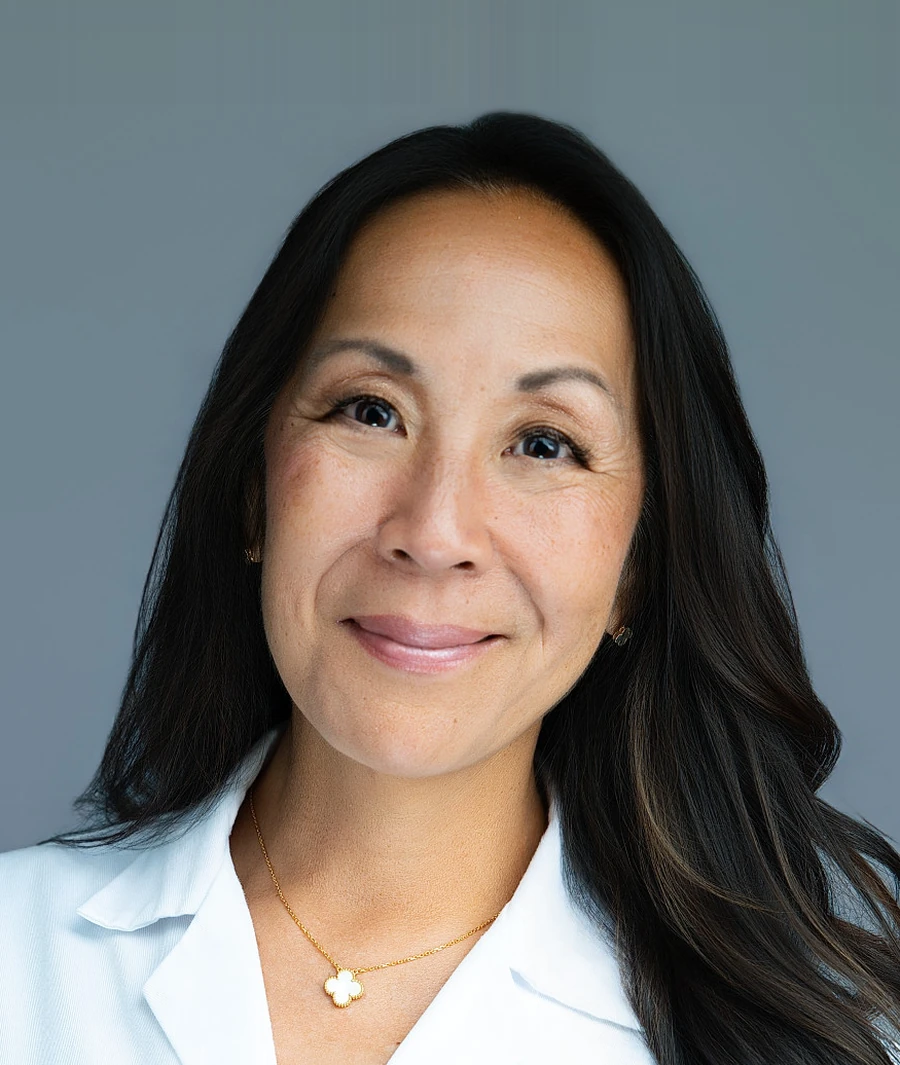
Erica Song, MD
I’ve spent more than two decades working with hormone physiology. I’m board-certified in Obstetrics and Gynecology and in Anti-Aging and Regenerative Medicine, with additional training in peptide therapy.
Although my original specialty is gynecology, hormone physiology isn’t limited to women. I care for both women and men. In men, testosterone and other hormonal changes can influence metabolism, body composition, cardiovascular health, sexual health, sleep, and performance. That broader perspective is what I bring to men’s longevity care.
Testosterone matters, and I interpret it in context. Sleep, body composition, insulin sensitivity, thyroid function, medications, alcohol, stress, and fertility goals can all affect both how you feel and what a result means.
When treatment makes sense, I individualize it and monitor it over time. I’m looking at whether treatment actually helps — and how it fits with the rest of your health.
Standard testing is designed to identify disease. It does not always measure the earlier markers shaping strength, metabolism, cardiovascular risk, cognition, and long-term function.
Explore seven longevity markers your annual physical may leave out — and what each one can add to the picture.
Six pages. Three minutes. A clearer view of what your physical may not measure.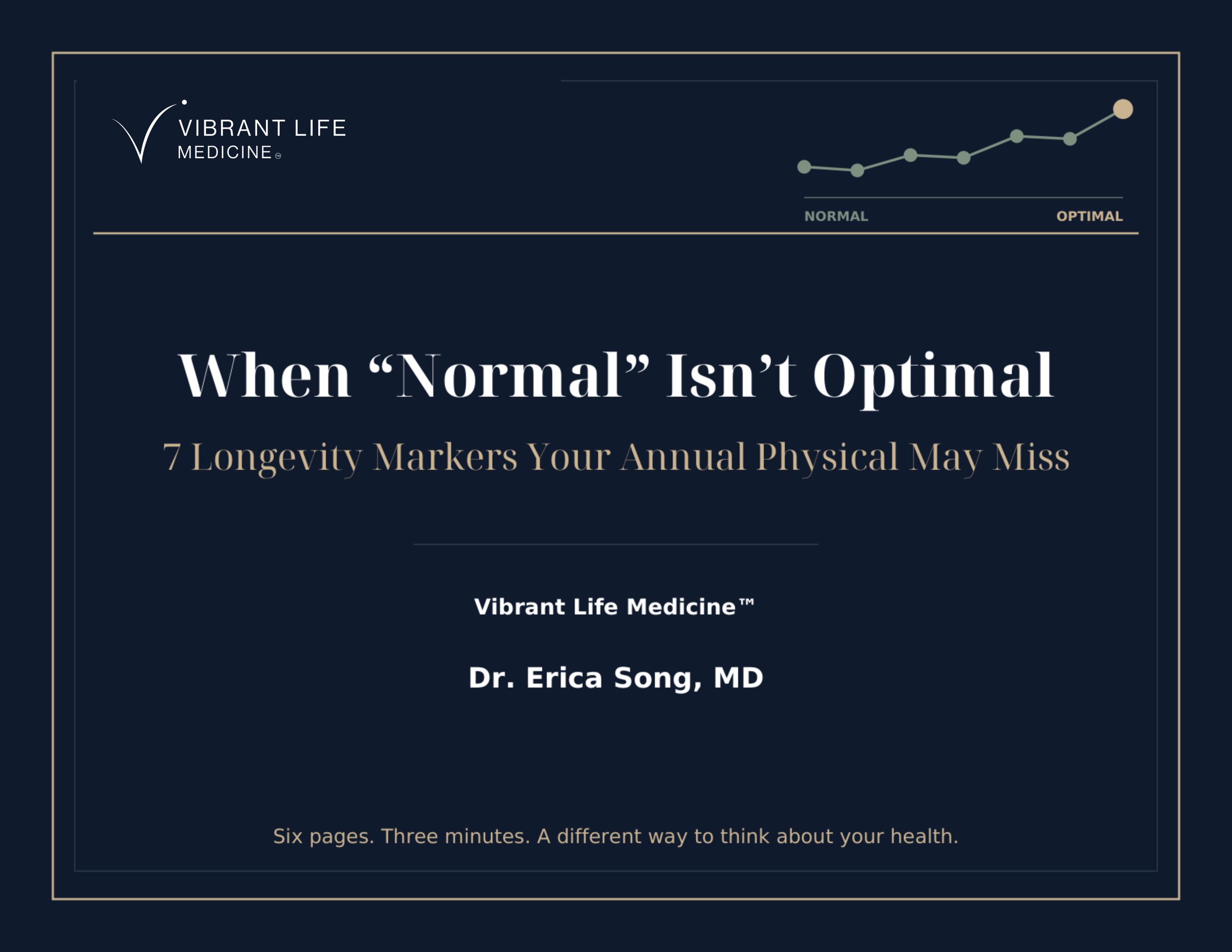
I test when the result can clarify what is contributing, identify meaningful risk, or change what we do next. Every result is read alongside your history, your symptoms, and what has changed over time.
Comprehensive evaluation of testosterone and related hormones, thyroid function, and relevant biomarkers — interpreted alongside symptoms, body composition, fertility considerations, and long-term goals.
Assessment of insulin resistance, visceral fat, lipid patterns, inflammation, blood pressure, cardiovascular risk markers, and changes in muscle and fat distribution.
Evaluation of sleep quality, cognitive performance, recovery capacity, stress physiology, and energy patterns, with a home sleep study included when clinically indicated.
Genomic, epigenetic, micronutrient, continuous glucose, and metabolic performance testing may be considered when they add meaningful clinical insight.
If you’re looking for physician-led care that connects hormones with the rest of your health, a complimentary discovery call is a simple place to start. It’s an introductory conversation about the practice and whether VLM may be a fit — not a medical visit.
Book a Discovery CallPrefer to review the program first? Explore Membership.
Not ready to talk? Join the Priority List.
Founding members receive one month of their first year at no charge,
priority scheduling, and membership-rate protection through their first renewal.
Limited to the first 20 enrolled members. Joining the Priority List does not guarantee founding-member status. View full terms
Telehealth begins December 2026. Our Bergen County office opens January 2027.